

Do fat cells die as a result of fat or weight loss?
Yes, fat cells can die, both naturally and as a result of certain fat reduction treatments. However, losing weight through diet and exercise doesn't usually cause fat cells to die. Instead, the fat cells become smaller as the body uses the energy stored inside them.
Fat cells, medically known as adipocytes, are responsible for storing energy in the form of fat. They can expand when we gain weight and shrink when we lose weight. Although individual fat cells have a limited lifespan and eventually die, the body continually produces replacement cells. This means the total number of fat cells tends to remain relatively stable throughout adulthood, even when someone loses a significant amount of weight.
Research has found that approximately 10% of fat cells are renewed each year in adults. This means that fat cells do naturally die, but they are generally replaced by new ones rather than permanently disappearing.
How surgery and non-surgical treatments reduce fat cells
Certain fat reduction treatments work differently from weight loss. Fat freezing damages targeted fat cells, causing them to die and be gradually cleared away by the body's immune system. Liposuction physically removes fat cells from the treated area. Both approaches can reduce the number of fat cells locally, although neither prevents future weight gain.
How long do fat cells live?
Fat cells are relatively long-lived compared with many other types of cells in the body.
Research suggests that an individual fat cell has an average lifespan of around 10 years, although this doesn't mean every fat cell dies after exactly 10 years. Throughout adulthood, the body continually replaces ageing or damaged fat cells with new ones. This natural process is known as fat cell turnover. Researchers found that the overall number of fat cells remains relatively stable, even in people who had experienced substantial weight loss.

How do fat cells die naturally?
Fat cells naturally die as part of the body's ongoing process of cell renewal and tissue maintenance. Like other cells in the body, fat cells can become damaged, age or stop functioning properly, eventually leading to their death. The body then breaks down and removes these cells, allowing new fat cells to develop when needed.
One way fat cells can die is through a process called "apoptosis", also known as programmed cell death. This is a controlled biological process in which a cell activates internal mechanisms that cause it to break down. Apoptosis allows the body to remove cells that are no longer needed or are damaged, usually without triggering significant inflammation.
Fat cells can also die through other processes, including "necrosis", which is a less controlled form of cell death often associated with cell injury or stress. This can occur when fat cells become excessively enlarged, particularly in people with obesity. As fat tissue expands, some cells may experience reduced oxygen availability, inflammation or other forms of cellular stress that contribute to their death.
When a fat cell dies, specialised immune cells called macrophages help clear away the damaged cell and its contents. In some cases, particularly in inflamed fat tissue, macrophages gather around dead or dying fat cells in structures known as crown-like structures. These are frequently observed in studies of obesity-related fat tissue inflammation.
New fat cells
The body can produce new fat cells through a process called adipogenesis. During this process, precursor cells within fat tissue develop into mature fat cells capable of storing energy. This helps maintain and adapt the body's fat tissue as older cells are lost. Although scientists understand several mechanisms involved in fat cell death and replacement, the exact contribution of each process during normal, healthy fat cell turnover is still being investigated. Much of the detailed research into fat cell death has examined obesity and metabolic disease, where cell stress and inflammation may be greater than in healthy fat tissue.
Research into fat cell life cycles and death
Much of our current understanding of fat cell lifespan and replacement comes from research published in the scientific journal Nature in 2008; "Dynamics of fat cell turnover in humans".. Although this study is widely recognised and its findings have been supported and discussed in subsequent scientific research, the evidence remains limited, particularly when it comes to the exact rate at which fat cells die and are replaced.
The original estimates were based on a relatively small number of directly measured samples, and much of the later literature continues to reference these findings rather than independently confirming them through large-scale studies.
Additional studies
This systematic review examined 35 studies and found that weight loss was generally associated with reduced fat cell size:
This study followed 49 women after gastric bypass surgery. At the two-year follow-up, researchers observed a reduction in fat cell size without a corresponding change in fat cell number.
Andersson and colleagues (2017) Long-term Protective Changes in Adipose Tissue After Gastric Bypass.
This early experimental study demonstrated how controlled cooling could damage fat cells and lead to a gradual reduction in fatty tissue.
Manstein and colleagues (2008) Selective cryolysis: a novel method of non-invasive fat removal.

Further research needed
While the general understanding that fat cells naturally die and are replaced is widely accepted within the scientific community, questions remain about how this process differs between individuals and under different circumstances.
There are also alternative interpretations and ongoing scientific discussions about how stable fat cell numbers remain throughout adulthood. Therefore, although the research provides a credible basis for our current understanding, further large-scale, independent studies would help establish how consistently these findings apply to the wider population. The figures discussed on this page should be understood as research-based estimates rather than definitive facts that apply equally to everyone.
What happens to fat cells when you gain and lose weight
When gaining weight
When you gain weight, your body stores excess energy, primarily in the form of triglycerides, within fat cells. As more fat is stored, the existing fat cells increase in size. This process is known as hypertrophy. Fat cells can expand considerably, allowing the body to store additional energy without necessarily increasing the number of fat cells.
However, when fat tissue needs to store more energy, the body can also produce additional fat cells. This process is known as hyperplasia, where the total number of fat cells increases. Rather than existing fat cells dividing, new fat cells develop from specialised precursor cells through a process called adipogenesis. This is more likely to occur during substantial or prolonged weight gain, although fat cell enlargement and the formation of new cells can happen at the same time.
When losing weight
When you lose weight, the process works differently. As your body needs to use more energy than it receives from food, stored triglycerides are broken down into fatty acids and glycerol. These can then be used by tissues throughout the body for energy. As the amount of stored fat decreases, the fat cells become smaller.
Importantly, losing weight does not normally reverse the increase in fat cell numbers that may have occurred during weight gain. Instead, the existing fat cells shrink while the overall number tends to remain relatively stable. This helps explain why someone who has lost a significant amount of weight can have much smaller fat cells without necessarily having fewer of them.
Total number of fat cells
Research suggests that fat cell numbers generally remain relatively stable during weight loss in adults, including after substantial weight reduction. However, some studies have reported changes in fat cell numbers under certain circumstances, and researchers continue to investigate how factors such as age, the extent of weight loss and metabolic health influence fat cell turnover.
It's also worth remembering that fat cells continue to die and be replaced naturally, regardless of whether someone is gaining or losing weight. Therefore, saying that fat cells don't die during weight loss isn't entirely accurate. A more precise explanation is that weight loss primarily reduces the size of fat cells rather than causing a substantial reduction in their total number.
What happens to fat cells after significant weight loss?
People who lose substantial amounts of weight can experience dramatic reductions in the size of their fat cells. However, research suggests that even following significant weight loss, the total number of fat cells often remains relatively stable.
This means that even someone who has lost a considerable amount of weight may still have approximately the same number of fat cells as before, but those cells now contain much less stored fat.
Although the general understanding is that weight loss primarily reduces fat cell size rather than number, researchers are still investigating whether extreme weight loss can also affect fat cell numbers and turnover rates.
The research on weight gain and loss affecting fat cells
Our understanding of how fat cells change during weight gain and weight loss is based on decades of scientific research. Studies have consistently shown that weight loss primarily reduces the size of existing fat cells, while fat cell numbers often remain relatively stable, even following substantial weight loss.
A systematic review of 35 studies published in 2017 supported the relationship between weight loss and reduced fat cell size, while human studies published in 2008 found that significant weight loss did not necessarily reduce fat cell numbers.
2017 systematic review: "Factors associated with adipocyte size reduction after weight loss interventions for overweight and obesity: a systematic review and meta-regression" by Jessica Murphy, Grégory Moullec and Sylvia Santosa
However, researchers are still investigating how fat cell numbers change during prolonged weight gain, how new fat cells develop in adulthood and whether certain circumstances can lead to a reduction in fat cell numbers. Although the main biological processes are widely accepted, the extent to which they occur can vary between individuals, and further research is needed to understand these differences fully.

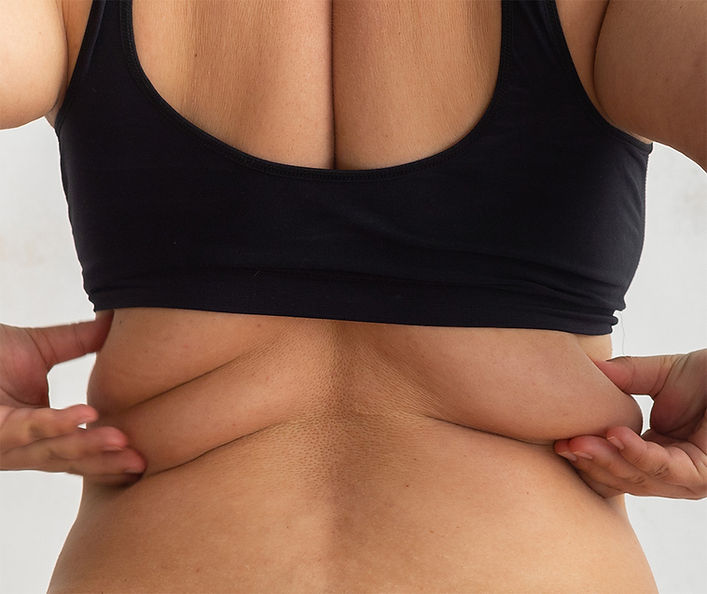
How fat cells die as a result of fat reduction treatments and surgery
Certain fat reduction treatments can permanently reduce the number of fat cells in targeted areas of the body. However, the way these treatments work varies, with some physically removing fat cells and others damaging them so that they are gradually broken down and cleared away by the body.
Liposuction
Liposuction is a surgical procedure that physically removes fat cells from beneath the skin using a suction device. This immediately reduces the number of fat cells in the treated area, although swelling means the final results take time to become visible.
Fat freezing
Fat freezing (cryolipolysis) works by using controlled cooling to damage fat cells, which are particularly sensitive to low temperatures. This triggers a biological response involving inflammation and cell death, including a process called apoptosis, or programmed cell death. Over the following weeks and months, the body's immune system gradually clears away the damaged cells, reducing the thickness of the treated fat layer.
Ultrasound cavitation
Ultrasound cavitation uses ultrasound energy to affect fatty tissue. Depending on the technology and intensity used, ultrasound-based fat reduction treatments may disrupt fat cell membranes, damage fat cells or influence the release of stored fat. However, ultrasound is unlikely to permanently destroy fat cells.
Radiofrequency
Radiofrequency fat reduction uses controlled heat to affect fatty tissue. When sufficient energy reaches the fat layer, it can cause thermal injury to fat cells, potentially leading to cell death and a gradual reduction in fat. However, some radiofrequency treatments primarily target skin tightening rather than fat reduction, so the effects depend on the device and treatment settings.
Fat dissolving injections
Fat dissolving injections involve injecting substances into localised fat deposits to damage fat cells. Certain formulations, particularly those containing deoxycholic acid, disrupt fat cell membranes and cause cell death. The damaged cells and their contents are then gradually cleared away by the body. The effectiveness and safety of these treatments depend on the product used, and not all fat dissolving injections have the same level of clinical evidence or regulatory approval. Please note, we do not offer fat dissolving injections at our clinic.
Can fat cells return after fat reduction treatments?
When fat cells are successfully destroyed or physically removed, those individual cells do not regenerate. This means treatments such as liposuction and fat freezing can produce a long-term reduction in fat cell numbers within the treated area.
However, this does not mean that fat can never return. The remaining fat cells can still expand and store more fat if a person gains weight. The body can also develop new fat cells through a process called adipogenesis, particularly during substantial or prolonged weight gain.
Therefore, although fat reduction treatments can permanently remove or destroy a proportion of fat cells, they do not prevent future fat accumulation or guarantee that the treated area will remain the same size indefinitely.
Fat freezing treatments and how to book
At our clinic we offer fat freezing treatments for long lasting targeted fat and fat cell reduction. Learn more about fat freezing and our other fat reduction treatments by browsing this website or by booking a consultation through the booking function below.
Consultations are optional and are not required prior to booking fat reduction treatment.